


indiramuniz405
About indiramuniz405
Exploring Non-Prescription Treatments for Erectile Dysfunction
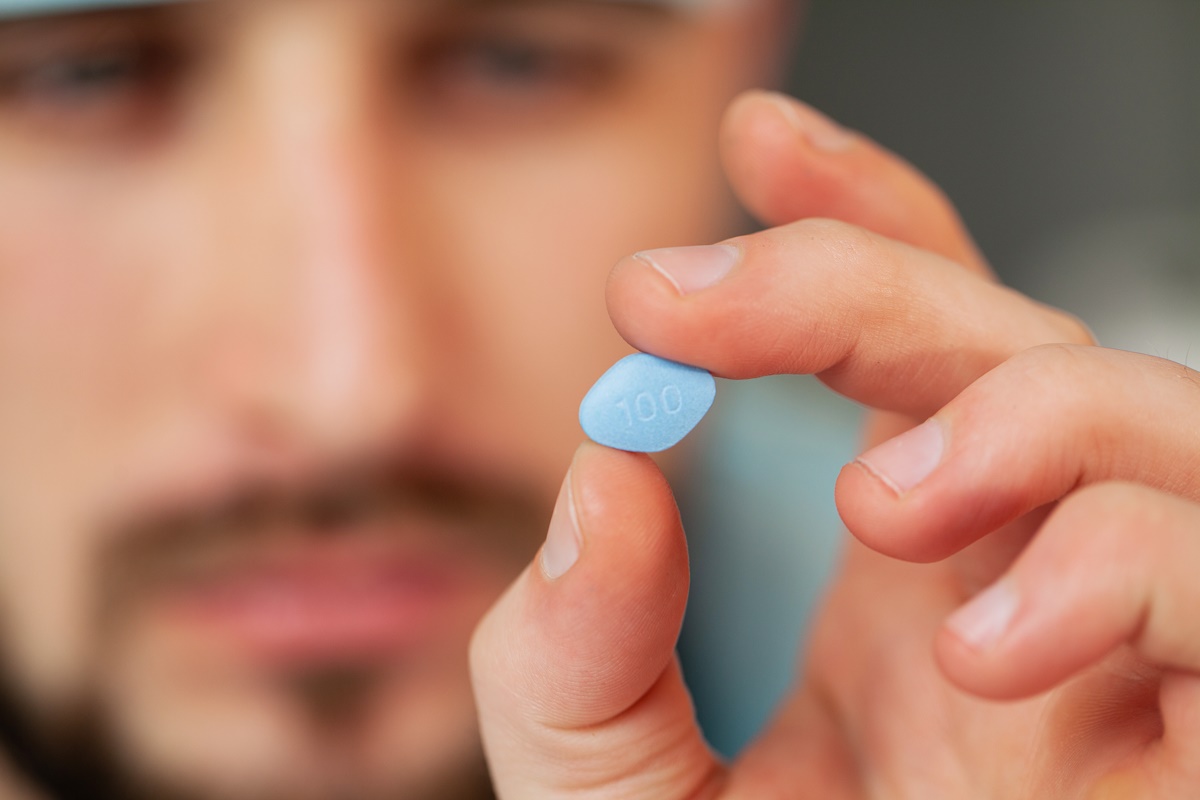
Erectile dysfunction (ED) is a common condition characterized by the inability to achieve or maintain an erection sufficient for satisfactory sexual performance. While prescription medications such as phosphodiesterase type 5 (PDE5) inhibitors (e.g., Viagra, Cialis) are widely recognized for their effectiveness, many individuals seek non-prescription alternatives due to various reasons, including side effects, cost, or personal preference. This report explores various non-prescription treatments for ED, examining their efficacy, safety, and underlying mechanisms.
1. Lifestyle Changes
1.1 Diet and Nutrition
A balanced diet plays a crucial role in overall health, including sexual function. Diets rich in fruits, vegetables, whole grains, and healthy fats can improve cardiovascular health, which is essential for erectile function. Foods high in flavonoids, such as berries, citrus fruits, and dark chocolate, have been linked to improved erectile function. Additionally, maintaining a healthy weight can reduce the risk of diabetes and cardiovascular diseases, both of which are risk factors for ED.
1.2 Exercise
Regular physical activity is beneficial for improving blood circulation and reducing stress, both of which can enhance erectile function. Aerobic exercises, such as walking, jogging, and swimming, are particularly effective. Studies have shown that men who engage in regular physical activity have a lower risk of developing ED.
1.3 Smoking and Alcohol Reduction
Smoking has been shown to damage blood vessels and restrict blood flow to the penis, leading to ED. Quitting smoking can significantly improve erectile function. Similarly, excessive alcohol consumption can lead to temporary erectile dysfunction. If you liked this posting and you would like to get more details regarding erectiledysfunctiontreatments.Online kindly take a look at our web-page. Moderating alcohol intake can help alleviate symptoms of ED.
2. Herbal Supplements
2.1 Ginseng
Panax ginseng, often referred to as Korean ginseng, has been traditionally used as an aphrodisiac. Some studies suggest that it may improve erectile function by enhancing nitric oxide production, which increases blood flow to the penis. However, more research is needed to confirm these effects.
2.2 Ginkgo Biloba
Ginkgo biloba is believed to improve blood circulation and may help with ED, particularly in men taking antidepressants that can cause sexual dysfunction. Some studies indicate that ginkgo can enhance sexual function, but results are mixed, and more research is required.
2.3 Horny Goat Weed
Epimedium, commonly known as horny goat weed, contains icariin, a compound that may help improve erectile function by increasing nitric oxide levels. While some animal studies show promise, human studies are limited, and more research is needed to establish its efficacy and safety.
3. Nutritional Supplements
3.1 L-Arginine
L-arginine is an amino acid that helps produce nitric oxide, a compound essential for achieving an erection. Some studies suggest that L-arginine supplements can improve erectile function, especially in men with low nitric oxide levels. However, it may cause gastrointestinal side effects in some individuals.
3.2 DHEA (Dehydroepiandrosterone)
DHEA is a hormone produced by the adrenal glands that can be converted into testosterone. Some studies indicate that DHEA supplements may improve erectile function in men with low testosterone levels. However, the long-term safety of DHEA supplementation remains uncertain.
3.3 Zinc
Zinc is an essential mineral that plays a role in testosterone production. Some studies have suggested that zinc supplementation may improve erectile function, especially in men with zinc deficiency. However, excessive zinc intake can lead to toxicity and should be avoided.
4. Psychological Approaches
4.1 Counseling and Therapy
Psychological factors, such as anxiety, depression, and stress, can significantly contribute to ED. Engaging in counseling or therapy can help address these underlying issues. Cognitive-behavioral therapy (CBT) and sex therapy have shown effectiveness in treating ED related to psychological factors.
4.2 Mindfulness and Relaxation Techniques
Practicing mindfulness, meditation, and relaxation techniques can help reduce anxiety and improve sexual performance. These approaches can enhance self-awareness and reduce performance anxiety, leading to improved erectile function.
5. Vacuum Erection Devices (VEDs)
Vacuum erection devices are non-invasive mechanical devices that create a vacuum around the penis, drawing blood into it and causing an erection. While they can be effective, some men may find them cumbersome or uncomfortable. They are often recommended for men who prefer non-pharmaceutical options.
6. Acupuncture
Acupuncture is an alternative therapy that involves inserting thin needles into specific points on the body. Some studies suggest that acupuncture may improve erectile function in men with ED, particularly when psychological factors are involved. However, more research is needed to establish its efficacy.

7. Risks and Considerations
While non-prescription treatments for ED can be beneficial, it is essential to approach them with caution. The effectiveness and safety of herbal supplements and nutritional products can vary widely, and they are not regulated by the FDA in the same way as prescription medications. Potential interactions with other medications and underlying health conditions should be considered. Consulting with a healthcare professional before starting any new treatment is crucial to ensure safety and appropriateness.
Conclusion
Non-prescription treatments for erectile dysfunction offer a range of options for individuals seeking alternatives to traditional medications. Lifestyle changes, herbal supplements, nutritional aids, psychological approaches, and mechanical devices can all play a role in managing ED. However, the effectiveness of these treatments can vary, and it is essential to consider individual health conditions and preferences. Consultation with a healthcare provider is recommended to determine the most appropriate treatment strategy for each individual.
No listing found.